What is epilepsy?
What is epilepsy?
What is epilepsy?
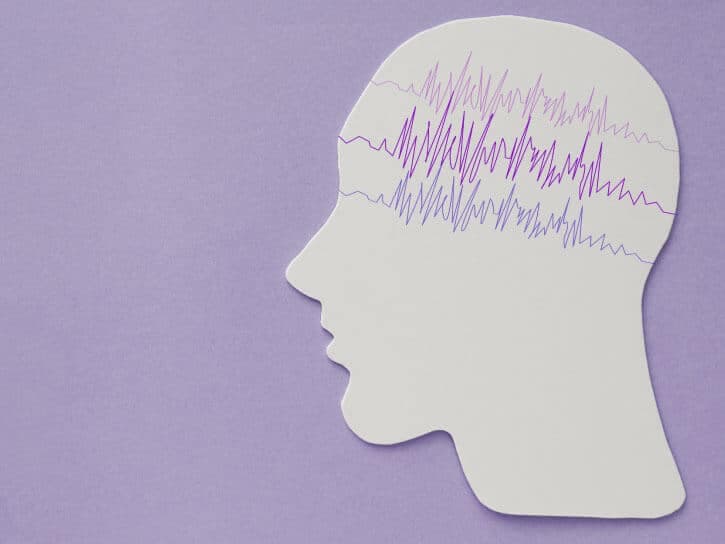
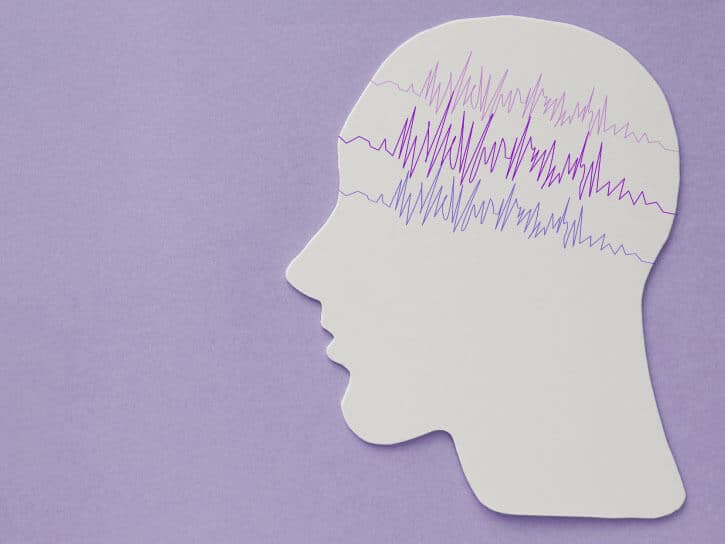
Epilepsy is a neurological disorder. It consists of sudden episodes of sensory disturbance and is associated with abnormal electrical activity in the brain. It may result in loss of consciousness or convulsions.
It is the most common chronic brain disorder in the world today, affecting around 52 million people worldwide.
There are actually around 40 different types of epilepsy with symptoms varying from brief lapses in attention and confusion through to convulsions. Some people experience seizures regularly (even multiple times per day) while others only very rarely (perhaps not even one per year).

What are the stats around epilepsy?
In Australia, epilepsy affects around 3-3.5% of the population at some point in their lives. Right now, over 250,000 Australians are living with the condition. It is more frequently diagnosed in early childhood, adolescence and people over 65 years of age.
Sadly, epilepsy can be fatal. The true number of deaths is hard to calculate as they may occur in the context of an accident or drowning due to the sufferer undertaking particular activities (such as falling or swimming) at the time of their epileptic episode.
A 2015 study of families who had lost someone to epilepsy found that around 50% of respondents were unaware that epilepsy was fatal until after their loved one died, highlighting a gap in knowledge in the population around epilepsy in general. This is a gap that is trying to be filled with awareness events such as Purple Day.
What are the risk factors?
Anyone may suffer from epilepsy, regardless of age, gender or race. The Mayo Clinic identifies that around 50% of epilepsy sufferers have no real identifiable causes or risk factors but for the others, possible factors could be:
- Family history
- A head trauma
- Another brain condition (such as a stroke)
- Contracting an infectious disease (such as meningitis)
- Injury or infection before birth
- Having a developmental disorder (such as autism)
What are the symptoms?
Because there are so many different types of epilepsy, there are so many different symptoms that may occur. For example, during a focal seizure, the sufferer may be aware of what is happening (retained awareness) to them, or may not (impaired or no awareness). It could include things like:
- Movements such as jerking, twitching or stiffening
- A feeling of numbness or tingling
- Increased heart rate, nausea or perspiration
- Impaired thinking such as confusion or lapse of attention, through to hallucinations
- Changes in mood such as feeling sad or anxious.
Then of course there are many other types of epileptic seizures with different symptoms such as:
- Tonic clonic seizures
- Myoclonic seizures
- Tonic seizures
- Atonic seizures
- Absence seizures
- …to name but a few.
How can we help?
Firstly, as always, we’ll point out that the best course of action is always to speak to a GP to discuss your own personal circumstances and medical history. That way, you know that the advice you receive is specific to you.
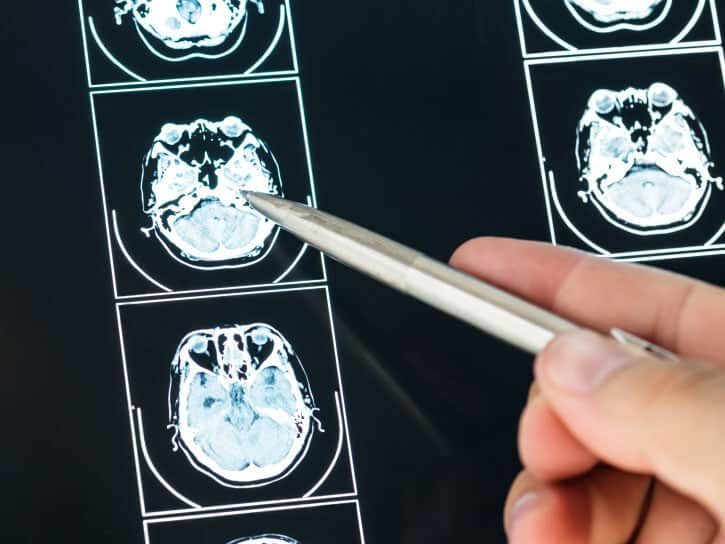
In general terms however, a GP may chat to you about why you think you have epilepsy, your family history, any relevant medical history and any previous testing that may have been done. Should further investigations be required, these may take the form of an EEG to look at electrical patterns in the brain, a CT or MRI, blood tests or referral to a specialist.
The first step is to book in for an appointment and we’ll call you back for your consultation via video link.
Sources:
Bellon, Michelle, Panelli, Rosemary, Rillotta, Fiona, Epilepsy-related deaths: An Australian survey of the experiences and needs of people bereaved by epilepsy. Accessed July 2026.
Epilepsy Action Australia, Facts and Statistics. Accessed July 2026.
Epilepsy Action Australia, What the Seizures Look Like. Accessed July 2026.
Epilepsy Foundation, Diagnosis 101. Accessed July 2026.
Mayo Clinic, Epilepsy. Accessed July 2026.
All content on the SwiftDoc website is created and published online for informational purposes only. It is not intended to be a substitute for professional medical advice and should not be relied on as health or personal advice.
Always seek the guidance of your doctor or other qualified health professional with any questions you may have regarding your health or a medical condition. Never disregard the advice of a medical professional, or delay in seeking it because of something you have read on this Website.
If you think you may have a medical emergency, call your doctor, go to the nearest hospital emergency department, or call the emergency services immediately.