All about autism
All about autism
Until just a few years ago, it was thought that around one in 150 Australians suffered from autism, but with changes in the diagnostic criteria, it is now thought that this number is closer to one in 40.
Read on to find out more about what autism is, any signs and symptoms and how your GP can be your first point of call to assist.
What is autism?
Autism is defined as:
“A developmental disorder of variable severity that is characterised by difficulty in social interaction and communication and by restricted or repetitive patterns of thought and behaviour.”
It is thought to be caused by a particular way that that brain has developed, or by abnormalities in the brain structure or function. Often it manifests in a couple of ways – with difficulties in social interactions, and through restricted or repetitive behaviours and interests.
As we mentioned above, around one in 70 Australians are thought to suffer from autism. Interestingly, these sufferers are four times more likely to be male. 83% are under 25, and of this younger group, most are aged between five and 14.
Often those with autism need additional support and assistance such as through attendance at a special school, or additional support in the classroom, or experience difficulties gaining employment. Of course, there are varying degrees of severity of autism from mild through to severe, so as always, every situation is different and only your GP and medical team can provide advice on your specific circumstances.
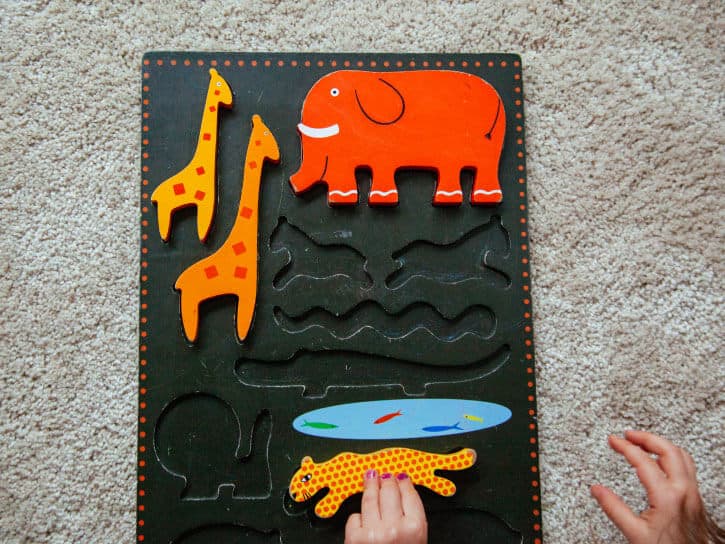
Interestingly, often those with autism exhibit higher levels of ability with some tasks such as problem solving and puzzles, and may grasp difficult concepts more easily than simpler ones.

What are the risk factors of autism?
There’s still much to learn about autism and researchers are carrying out studies all the time to investigate possible causes and risk factors associated with autism. However, it is generally thought that the main risk factors are:
- Being male – males are four times more likely to be diagnosed with autism than females
- Having a family history – there is evidence to suggest that there may be a hereditary link with autism
- Having another disorder – studies suggest the presence of other disorders such as fragile X syndrome may be a risk factor for autism
- Being born extremely prematurely – at around 26 weeks’ gestation or earlier.

What are the signs and symptoms of autism?
Common symptoms of autism fall into a couple of different categories – those around impairment with social interaction and learning difficulties, and those around restricted and repetitive behaviours and interests. This list from Australian government healthdirect covers the most common symptoms:
- Lack of social and emotional exchanges e.g. not smiling and lack of eye contact
- Lack of non-verbal communication such as nodding
- Difficulty developing and maintaining friendships
- Delayed speech or language skills
- Excessively following routines
- Repetitive movements, speech and actions such as toe-walking and hand-flapping
- Aversion to strong smells, loud sounds or different textures
- Fixation on objects or topics
- Aggression

I feel my child may have autism, where do I start?
As with most things, a consultation with your GP is usually the best place to start. Book an appointment online and a SwiftDoc GP can talk to you about your concerns and explain your options. Often it helps if you note down any signs or symptoms you are concerned about, just so you remember the details of the behaviours that are worrying you.
Your GP may suggest further investigation, such as diagnostic testing, and if a diagnosis is confirmed, your GP can then help you access the support you need such as psychology, speech pathology or paediatric services, and additional learning support in the classroom environment.
Sources:
Australian Government, Australian Institute of Health and Welfare, Autism in Australia. Accessed July 2026.
Autism Awareness Centre, Definition of Autism. Accessed July 2026.
Aspect, At least 1 in 40 Australians are Autistic: New Estimate by Aspect on World Autism Understanding Day. Accessed July 2026.
Health Direct, Autism. Accessed July 2026.
Mayo Clinic, Autism Spectrum Disorder. Accessed July 2026.
Raising Children Network, Signs of Autism in Children: What to Do. Accessed July 2026.
All content on the SwiftDoc website is created and published online for informational purposes only. It is not intended to be a substitute for professional medical advice and should not be relied on as health or personal advice.
Always seek the guidance of your doctor or other qualified health professional with any questions you may have regarding your health or a medical condition. Never disregard the advice of a medical professional, or delay in seeking it because of something you have read on this Website.
If you think you may have a medical emergency, call your doctor, go to the nearest hospital emergency department, or call the emergency services immediately.