National Nutrition Week – Eat Your Greens!
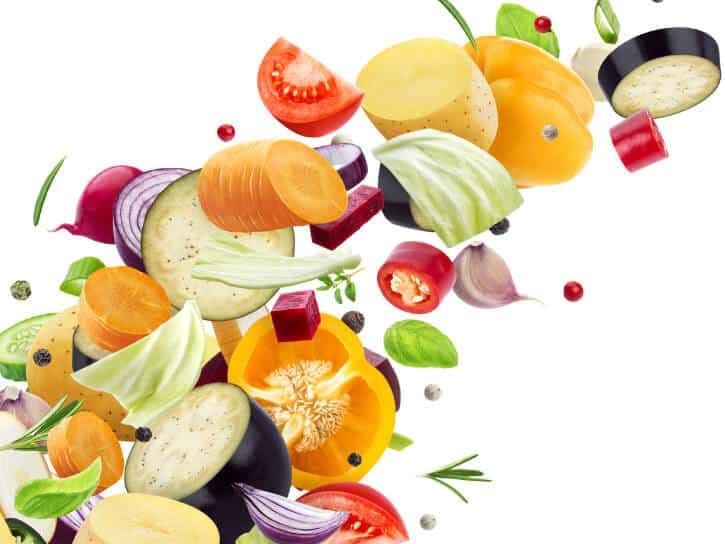
National Nutrition Week – Eat Your Greens!
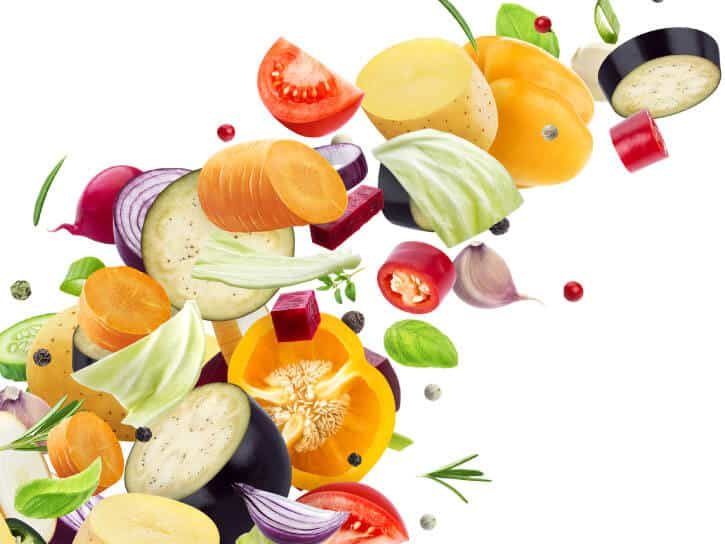
Are you getting your 'five a day'? That’s five serves of veges per day – something only 4% of Australians are getting.
In this blog post we’ll have a look at the statistics around diet and obesity in Australia, and examine why the focus is on vegetables this year.
What are the stats?
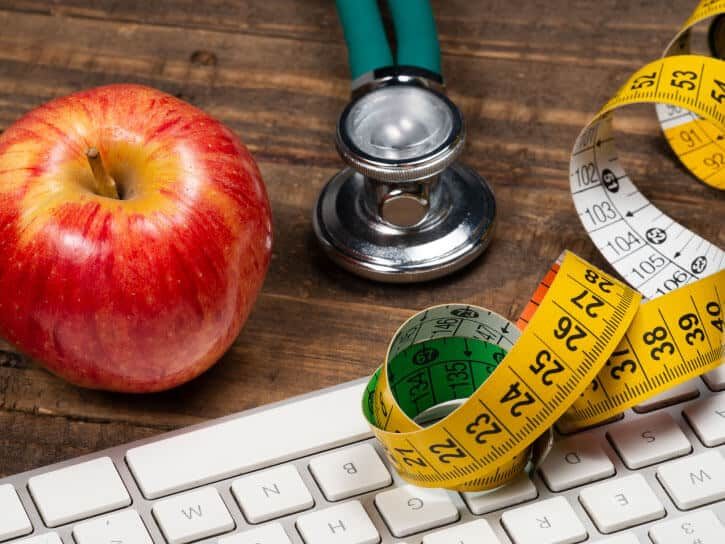
According to the Australian Institute of Health and Welfare (AIHW) 96% of children and adolescents and 94% of adults did NOT meet the recommended daily serve of vegetables. Those recommendations, as outlined by Nutrition Australia for National Nutrition Week, are to eat five 75gm serves of vegetables every day.
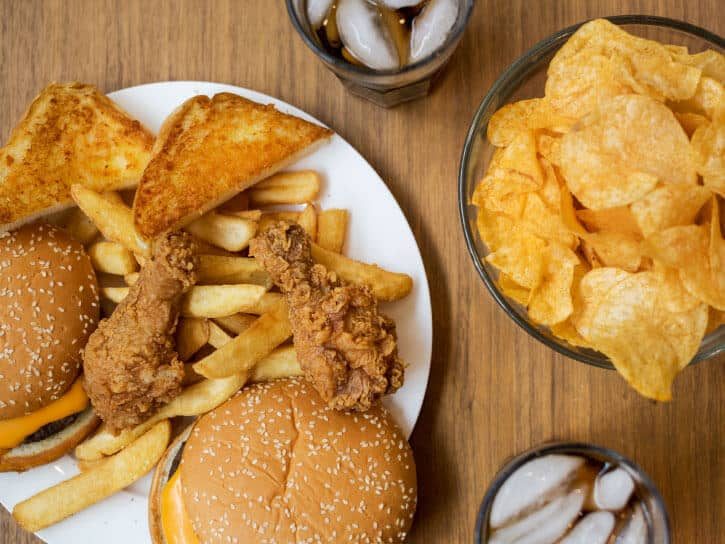
Unfortunately we’re eating far too many serves of discretionary foods each day, with AIHW finding that these foods account for 35% of daily energy intake for children and adolescents and 31% for adults. So that’s foods that have poor nutritional content such as processed food, foods high in saturated fat and sugar, and alcohol.
How do those stats translate to our health?
Not well. Obesity is on the rise, with 27% of children and adolescents and 67% of adults living with overweight or obesity.
Obesity is also more prevalent than it has been in the past in children and young people, and in the Indigenous population.
As a result, nearly 16,000 primary bariatric operations were performed in Australia in 2023 alone.
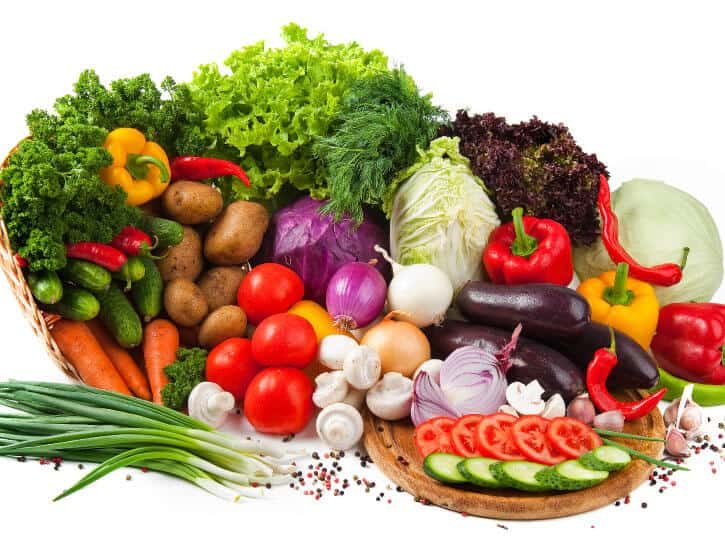
Why veges?
Nutrition Australia has chosen vegetable consumption as the focus for National Nutrition week this year, promoting the message of five serves of vegetables every day. Here’s some reasons why upping your intake of vegetables is a good idea:
- Vegetables contain vitamins and minerals – such as vitamin A, vitamin C, potassium and folate.
- Vegetables contain fibre – which is necessary for good bowel health, lowering cholesterol and keeping blood sugar levels in check.
- Vegetables contain antioxidants – natural molecules that may play a positive role in preventing heart disease, cancer and other diseases.
- Vegetables help control your weight – by being naturally low in calories and with no saturated fat or added nasties.
- Vegetables are natural – no processing in the factory here!
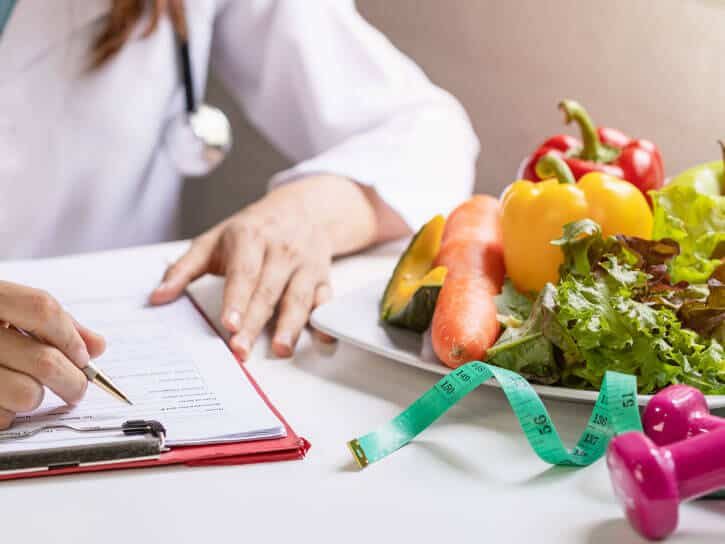
How do you wade through all the information out there?
There’s no doubt that there is a lot of information out and about with regards to diet and nutrition. There’s fad diets, quick fixes and “hacks” – all designed to appeal to our desire for fast results. How do you know which is right and which is sending you down the wrong path?
That’s where qualified dietitians such as our own right here at SwiftDoc come in. Drawing on knowledge from years of study and experience, a dietitian can offer holistic advice on diet and nutrition, based on your own health and personal circumstances. Not only that, but our GPs can also form part of your team to work towards better health – such as with arranging blood tests to build a comprehensive picture of your health.
So this National Nutrition Week, set yourself the challenge of increasing your vegetable intake to the recommended five serves a day, and take the time to book in for an online appointment with our dietitians and GPs.
__Sources: __
Australian Government, Australian Institute of Health and Welfare, Diet. Accessed July 2026.
Australian Government, Australian Institute of Health and Welfare, Overweight and Obesity. Accessed July 2026.
Australian Government, Australian Institute of Health and Welfare, Poor Diet. Accessed July 2026.
RACGP, Bariatric Surgery. Accessed July 2026.
Try for 5, Try for 5. Accessed July 2026.
All content on the SwiftDoc website is created and published online for informational purposes only. It is not intended to be a substitute for professional medical advice and should not be relied on as health or personal advice.
Always seek the guidance of your doctor or other qualified health professional with any questions you may have regarding your health or a medical condition. Never disregard the advice of a medical professional, or delay in seeking it because of something you have read on this Website.
If you think you may have a medical emergency, call your doctor, go to the nearest hospital emergency department, or call the emergency services immediately.