Dementia – the facts, and what you need to know
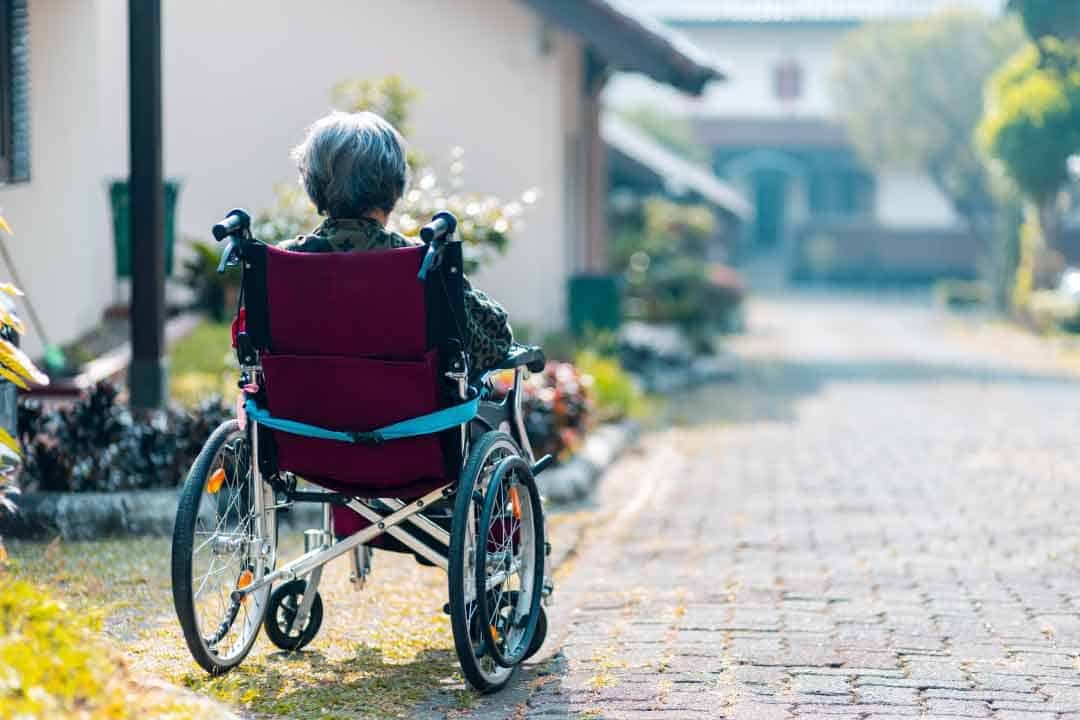
Dementia – the facts, and what you need to know
How much do you know about dementia? We thought we'd talk more about dementia – what it is, how common it is, signs and symptoms and ways to manage it.
What are the facts?
Dementia is the leading cause of death for Australians.
- In 2026, there are an estimated 446,500 Australians living with dementia, and without intervention, this number is expected to rise to over 1 million by 2065.
- The number of Australians with young onset dementia is on the rise, with an estimated 29,000 people living with this diagnosis in 2026.
- Around 1.7 million Australians are involved in caring for someone with dementia.
Clearly dementia is something we need to be talking about!
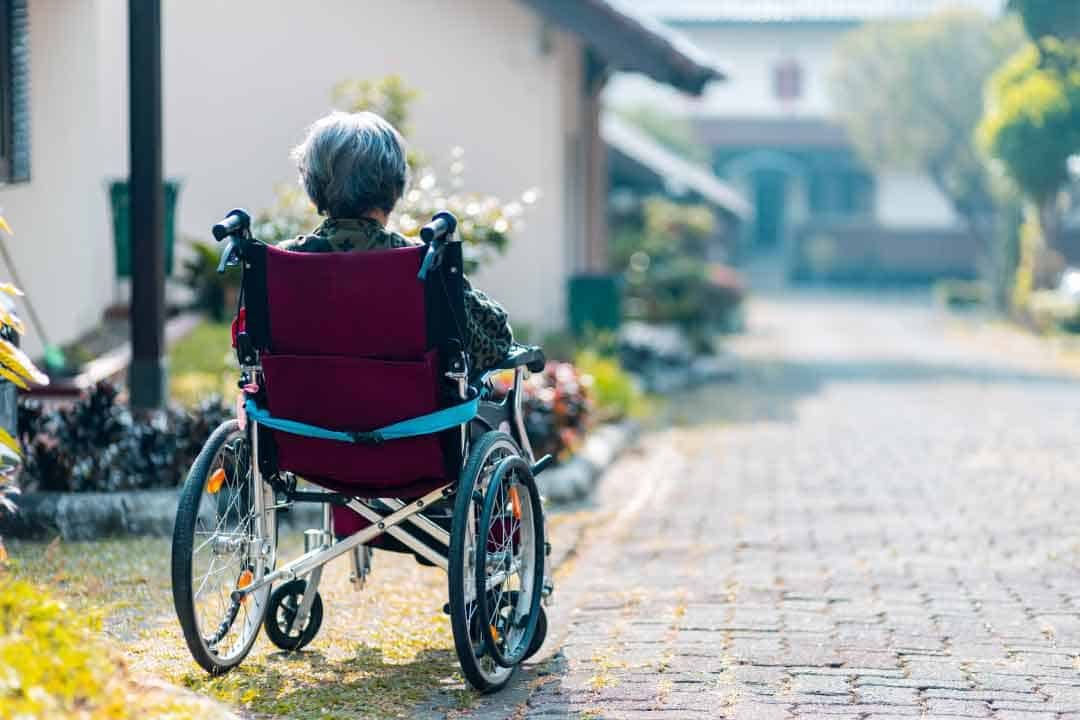
What is dementia?
Dementia is an umbrella term for a large group of illnesses which cause a progressive decline in a person’s functioning. There are many types of dementia, but the most common form of dementia is Alzheimer’s.
Dementia may affect your memory, your language skills, your ability to understand information, your spatial skills, judgment, and attention span. It is a progressive disease, so that means it symptoms gradually worsen over time.
There is currently no cure for dementia. Some medications can improve quality of life, but they do not stop the progression of the disease. As always, chatting to your GP is your first step in diagnosing, then managing dementia, and we at SwiftDoc can provide continuity of care in this regard.
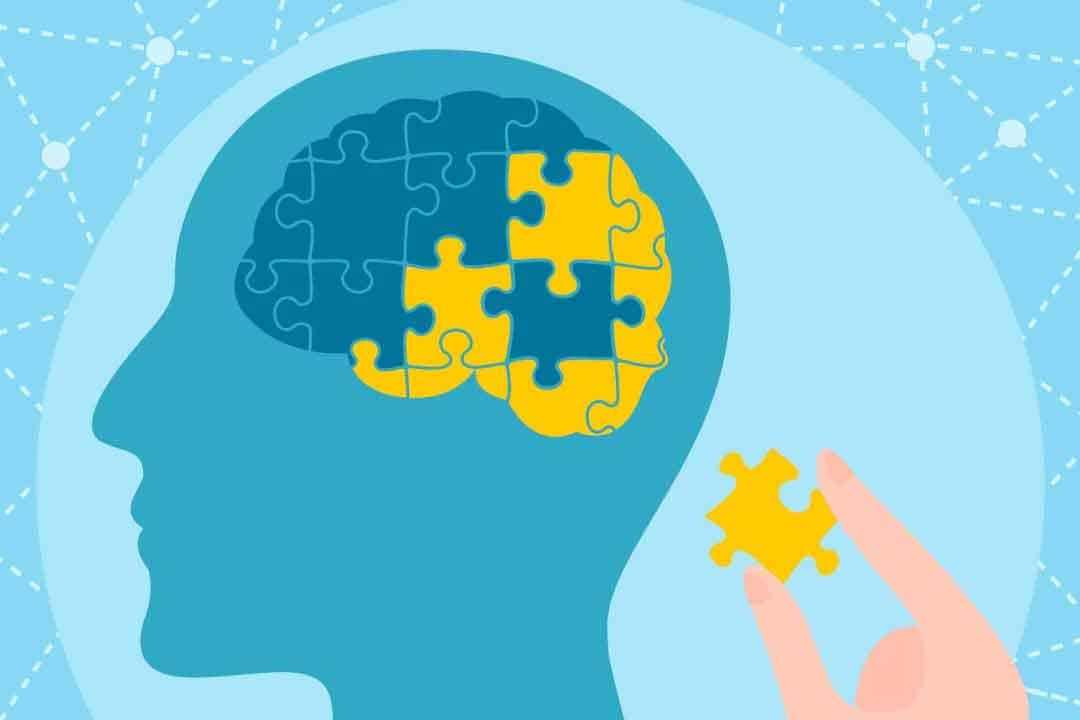
Dementia is a progressive disease affecting your cognitive ability.
Can you prevent dementia?
Currently there is no way to prevent dementia, but depending on your individual circumstances, you may be able to reduce your risk factors. Things such as being physically active, following a healthy diet, challenging your brain mentally and being social are all simple things that may lower your risk.
You don’t have to spend lots of money on “brain training games” either. Even activities such as finding something challenging and interesting to learn (such as a new language or skill) can help to keep your brain active.
Maintaining an active social life may also be beneficial to your overall brain health. Humans much prefer to socialise rather than be isolated, and activities such as catching up with friends or playing team sports all help contribute to positive mental health.
Luckily, all of these can also improve your health in general, so it’s win, win!
Nothing replaces individual advice from a medical professional, so if you have any concerns be sure to contact a GP as your first step.
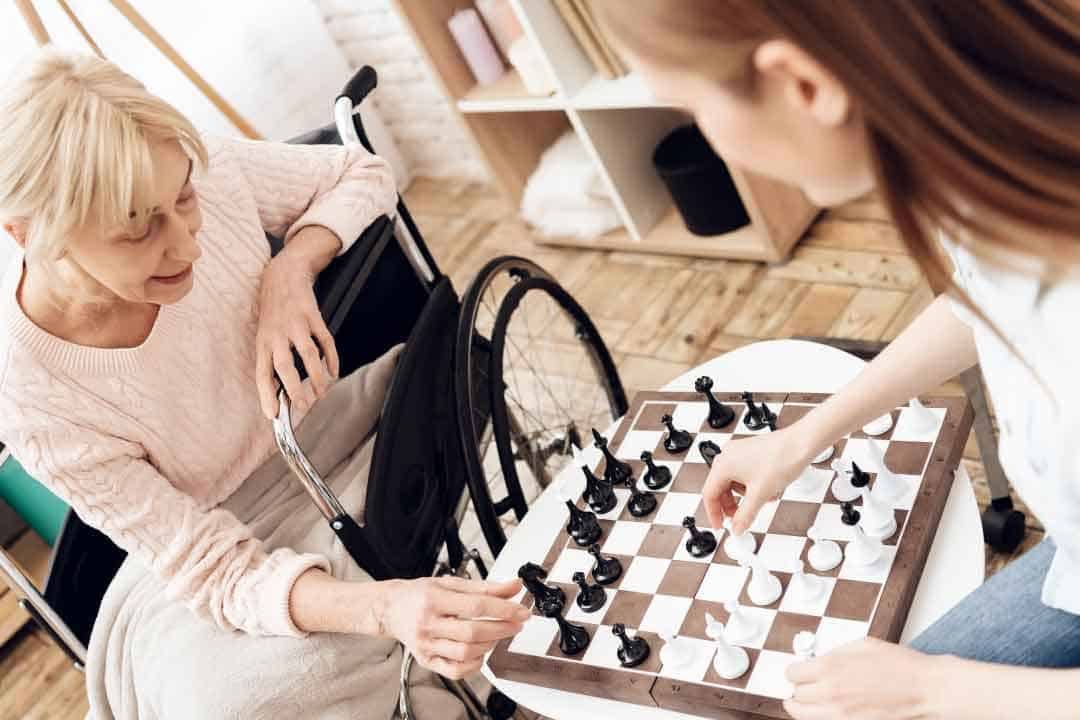
Keep you mind and body active
Do I have dementia?
It is vital to consult a GP as early as you can for an assessment of your symptoms and to obtain a diagnosis.
In undertaking this assessment we may take a detailed medical history, such as family history, and an examination of the progression of symptoms. We may also order blood tests to conduct a dementia screen, and arrange specialist testing if required.
Some people are reluctant to visit a GP because they are fearful to be told that they have dementia. If you know someone that you think may be showing symptoms of dementia, it may help to offer your support to ease their anxiety. Perhaps you’ve even noticed changes in their behaviour and may be able to offer useful information to assist with a correct diagnosis.
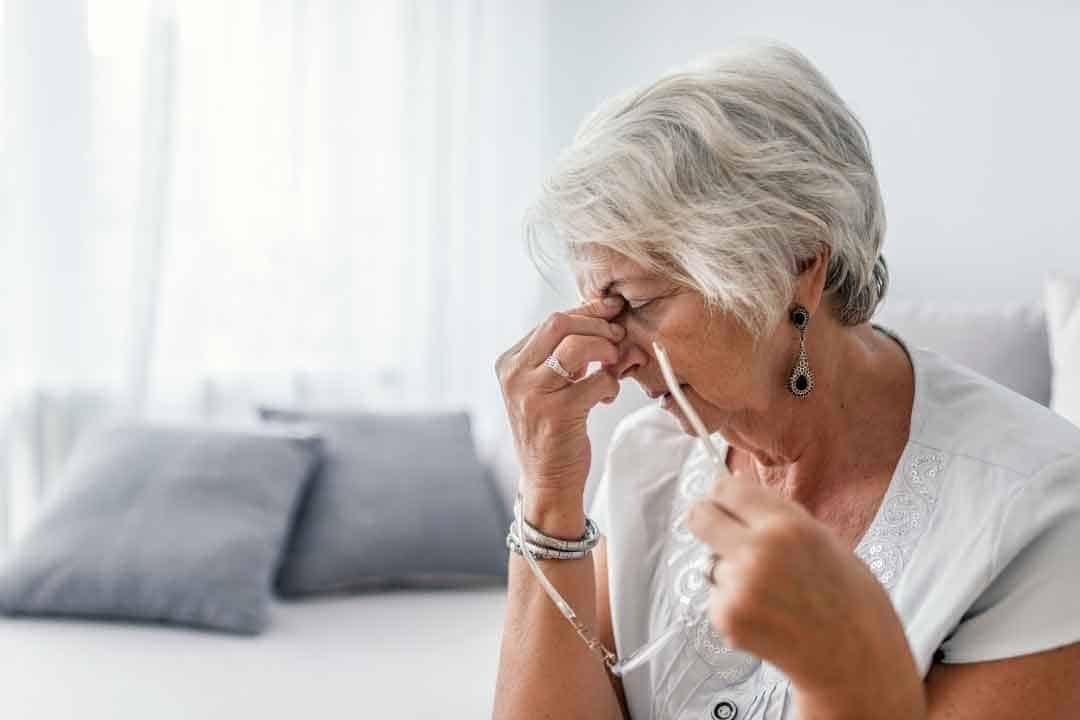
Visiting a GP is the first step if you believe you may have dementia.
Where do I start?
Book an appointment for you or your loved one as soon as you can. We will undertake a thorough assessment, order any relevant tests and talk through management options with you.
The Dementia Australia website provides a wealth of information on dementia, and is a great starting point for those living with dementia, or caring for others with dementia.
Sources:
Dementia Australia, Dementia Facts and Figures. Accessed July 2026.
Dementia Centre for Research Collaboration, Your Brain Matters. Accessed July 2026.
All content on the SwiftDoc website is created and published online for informational purposes only. It is not intended to be a substitute for professional medical advice and should not be relied on as health or personal advice.
Always seek the guidance of your doctor or other qualified health professional with any questions you may have regarding your health or a medical condition. Never disregard the advice of a medical professional, or delay in seeking it because of something you have read on this Website.
If you think you may have a medical emergency, call your doctor, go to the nearest hospital emergency department, or call the emergency services immediately.